 Italiano
 English

 HOME
HOME
INTEGRATED FARMING SYSTEM
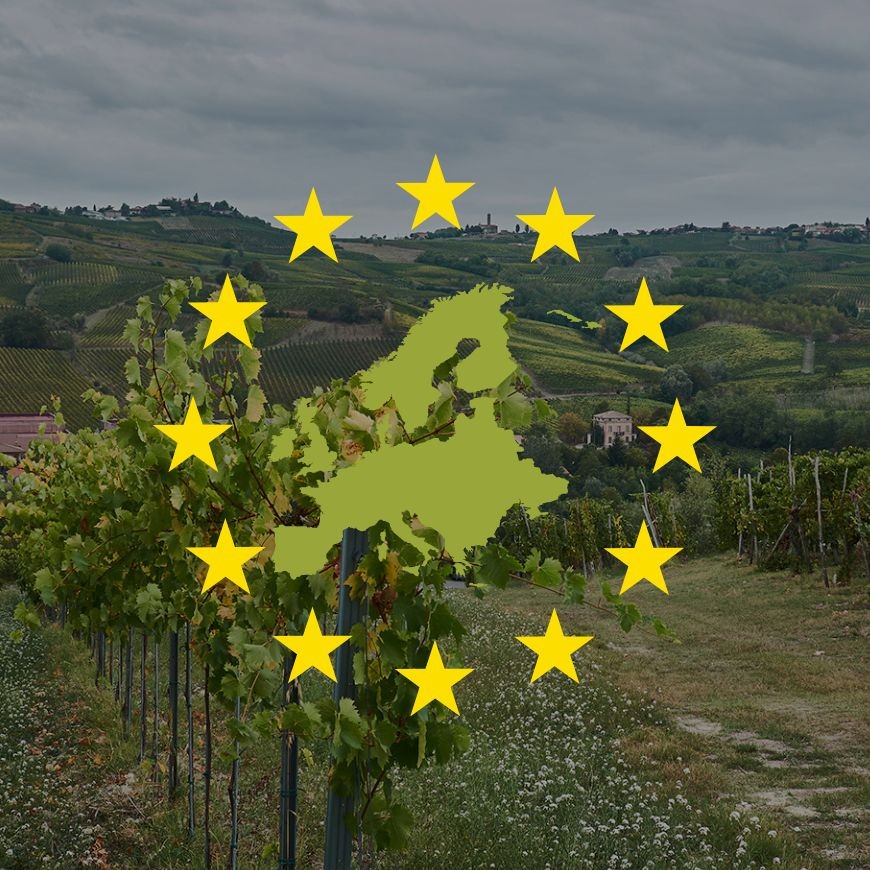
Integrated production is the third way for agriculture, between conventional and organic. Vitea vineyards are managed according to IFS since its birth.
First researches on IFS, Integrated Farming System, have been taking place across Western Europe since 1970s. The studies were built on Integrated Pest Management research, dated back to 1920s. These studies stimulated a large scale of experiments within Western Europe. The result was the birth of an Integrated farming model.
This model aims to protect human health and safeguard the environment, sustaining agricultural production and maintaining farm incomes.
Compare to conventional farming, IFS is more complex and risky, because the ability of the farmers to address the challenges is essential. Besides, IFS contribution to sustainability depends on sufficient numbers of farmers actually adopting Integrated practices.
Some mandatory rules of IFS are:
- Keep distance away from surface waters
- Protect groundwater by complying with regulations on the use of fertilisers
- Minimum groundcover over the winter months
- Lower CO2 emissions by making fewer tractor trips
- Products that are potentially harmful to the environment and to people are forbidden
- Use of products permitted once damage has exceeded defined thresholds
IFS IS RULED WITHIN “THE RURAL DEVELOPMENT PROGRAMME” OF EUROPE. While the European Commission approves and monitors RDPs, decisions regarding the selection of projects, like IFS, are handled by national and regional managing authorities.


